Will Humanoid Robots Replace Human Leisure Activities?
Will Humanoid Robots Replace Human Leisure Activities?
As humanoid robots become increasingly sophisticated, a fascinating question emerges: are we witnessing the dawn of robotic leisure? Recent developments in robotics technology have shown machines not just working alongside humans, but potentially mimicking our most personal behaviors - including how we relax and unwind.
The Evolution of Humanoid Robot Behavior
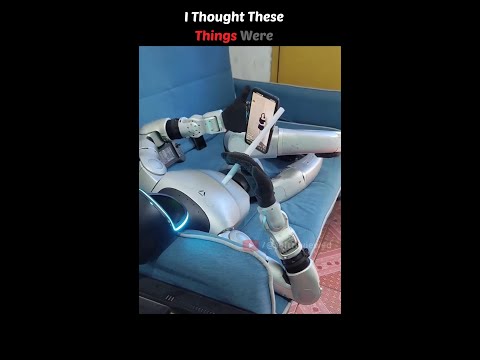
The robotics industry has made remarkable strides in creating machines that don't just perform tasks, but exhibit behaviors that mirror human activities. From simple mechanical movements to complex social interactions, today's humanoid robots are blurring the lines between artificial and authentic behavior patterns.
What Makes Robot Leisure Significant?
When we observe robots engaging in leisure activities, we're witnessing more than just programmed movements. This represents a fundamental shift in how we design and interact with artificial intelligence. The implications extend far beyond entertainment:
- Social Integration: Robots that understand leisure can better integrate into human environments
- Emotional Intelligence: Mimicking relaxation suggests advanced behavioral programming
- Future Applications: Companion robots may need to understand downtime to be effective caregivers
The Technology Behind Relaxing Robots
Creating a robot that can convincingly "relax" requires sophisticated programming and hardware integration. Modern humanoid robots utilize advanced sensors, machine learning algorithms, and behavioral modeling to replicate human-like postures and movements.
Key Components Include:
- Postural Control Systems: Allowing natural sitting and reclining positions
- Object Manipulation: Enabling robots to hold and interact with everyday items
- Behavioral Programming: Software that mimics human leisure patterns
- Environmental Awareness: Understanding appropriate contexts for relaxation
Real-World Applications and Implications
The development of leisure-capable robots opens doors to numerous practical applications. In healthcare settings, robots that understand relaxation could provide better patient companionship. In domestic environments, they could serve as more natural household assistants.
Potential Benefits:
- Enhanced human-robot interaction in social settings
- More effective therapeutic and companion robots
- Better integration of robots in family environments
- Reduced uncanny valley effects through natural behaviors
The Debate: Should Robots Mirror Human Behavior?
The question of whether robots should emulate human leisure activities sparks intense debate among technologists, ethicists, and consumers. Some argue that humanoid robots displaying relaxation behaviors represent the natural evolution of artificial intelligence, while others worry about the implications of machines that too closely mimic human experiences.
Arguments For Robot Leisure:
- Facilitates better human-robot relationships
- Demonstrates advanced AI capabilities
- Prepares robots for diverse social situations
- Could reduce human anxiety around robotic companions
Arguments Against:
- May create unrealistic expectations about robot consciousness
- Could lead to over-anthropomorphization of machines
- Raises questions about authentic vs. programmed behavior
- Potential ethical concerns about robot autonomy
The Future of Human-Robot Coexistence
As robotics technology continues advancing, the line between human and artificial behavior will likely become increasingly blurred. The development of robots that can engage in leisure activities represents just one step toward a future where artificial beings seamlessly integrate into human society.
This evolution raises important questions about identity, consciousness, and what it truly means to be human. As we witness robots adopting more human-like behaviors, we're forced to examine our own assumptions about consciousness, emotion, and the nature of relaxation itself.
Looking Ahead
The robotics industry continues pushing boundaries, creating machines that don't just work for us, but potentially live alongside us. Whether this future excites or concerns you may depend on your perspective on technology's role in human society.
Ready to see it in action? 🎬
Watch this fascinating demonstration of a humanoid robot engaging in human-like leisure behavior and decide for yourself what the future holds!
Click here to watch now!


Comments
Post a Comment