Humanoid Robots: Safety & Benefits for Families
Humanoid Robots: Safety & Benefits for Families
The integration of modern humanoid robots into our everyday lives has sparked discussions on safety, reliability, and practical benefits for families. As advancements in artificial intelligence and robotics continue to evolve, more households are considering these machines for various roles, from childcare assistance to home security and educational support. This article explores the safety features, technological enhancements, and real-world benefits of humanoid robots in a family environment, providing a comprehensive overview that answers the question: Are humanoid robots safe for family use?
What Are Humanoid Robots?
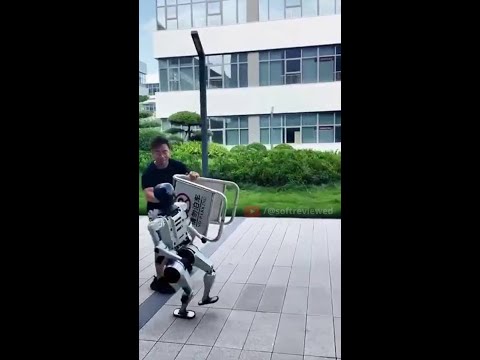
Humanoid robots are designed to replicate human form and behavior, combining advanced sensors, robotics engineering, and AI-powered decision-making capabilities. These robots are built to interact intuitively with people, ensuring they can perform a broad range of tasks—from simple household chores to more complex interactions, such as learning support and even companionship. With features like 18 Degrees of Freedom and powerful processing units, these robots are not only agile and adaptable but are also engineered with safety in mind.
In recent years, the development of humanoid robots has accelerated, driven by innovations in areas like computer vision, motion planning, and natural language processing. The introduction of platforms like the NOETIX N2 has shown that these machines can be lightweight, agile, and integrate seamlessly into both structured environments like schools or offices and unstructured settings such as family homes.
Modern Safety Features in Humanoid Robots
The safety of humanoid robots is a top priority for designers and engineers. Manufacturers incorporate multiple layers of safety technology to ensure these machines can operate reliably in domestic environments. Some of the key safety features include:
- Advanced Sensor Arrays: These robots come equipped with proximity sensors, cameras, and infrared detectors to recognize obstacles and avoid collisions.
- Real-Time Decision Making: Integrated AI platforms enable robots to analyze situations quickly and modify behaviors on the fly.
- Fail-Safe Mechanisms: Emergency stop features and redundant systems ensure that if a malfunction occurs, the robot can safely power down without posing a threat to its surroundings.
- Interactive and Adaptable Software: Continuous updates and machine learning ensure the robot adapts to different home environments and user needs.
These safety measures are especially important in settings where children and the elderly are present. The goal is to create a harmonious coexistence where technology enhances life without compromising security or comfort.
Benefits of Integrating Humanoid Robots in Family Environments
Beyond safety, the practical benefits of using humanoid robots at home are manifold. Families can expect improvements in daily routines, enhanced learning experiences, and even innovative healthcare support. Key benefits include:
- Enhanced Home Security: With integrated motion detectors and real-time monitoring, these robots can act as an additional layer of home security.
- Assistance With Daily Tasks: From managing schedules to helping with simple chores, robots can offer a level of support that enables family members to focus on more meaningful activities.
- Educational Support: With capabilities in natural language understanding and interactive AI, childhood learning and even language exercises are enriched by robot interactions.
- Companionship: Especially for the elderly or individuals living alone, humanoid robots can provide a sense of interaction and reduce feelings of isolation.
Integrating such technologies into daily life also encourages a progressive outlook on the potential of AI, while simultaneously building trust through visibly robust safety features and clear benefits.
Technology Enhancing Daily Life
Advancements like the NVIDIA Jetson Orin and interactive language models are not just marketing buzzwords—they represent a significant evolution in how machines understand and react to human needs. These technological leaps allow robots to:
- Process complex visual data to detect nuances in their environment.
- Engage in meaningful dialogue with humans, ensuring clear and comprehensible communication.
- Learn from everyday interactions, constantly adapting to improve safety and functionality.
"The true potential of humanoid robotics lies in their ability to bridge the gap between human intuition and machine precision, ensuring a future where technology benefits all aspects of daily life."
In the context of family use, these technologies do more than just perform tasks—they foster an environment where innovation and care go hand in hand. The proactive management of safety, combined with state-of-the-art AI, makes these robots suitable companions in a wide array of household scenarios.
Real-World Applications and Use Cases
One compelling aspect of humanoid robots is their versatility. Several real-world applications stand out:
- Home Assistance: Robots can manage reminders, control smart home devices, and even guide family members through daily routines.
- Educational Roles: In classrooms or home-schooling environments, these robots facilitate interactive learning through engaging content delivery.
- Healthcare Monitoring: With capabilities to track vital parameters and alert caregivers, humanoid robots contribute significantly to in-home healthcare, especially for aging family members.
- Entertainment: From interactive storytelling to engaging games, humanoid robots also add an element of fun to the home environment.
For those interested in a deeper exploration of these innovative use cases, you can watch the original video that dives into the features and specifications of one of the leading humanoid robots on the market.
The integration of robotics into everyday life is not without its challenges. Potential hurdles include the need for continuous software updates, initial setup complexities, and ensuring privacy and data protection. However, the industry is continually addressing these concerns, and many experts agree that the future will see an even smoother fusion of technology and home life.
Looking Towards the Future of Family Robotics
As research and development in robotics advance, the safety and efficiency of humanoid robots are expected to improve dramatically. Industry leaders are focusing on:
- Improving AI Learning Capabilities: Robots will better adapt to individual household routines and preferences.
- Enhanced Integration with Smart Homes: Seamless communication with other connected devices will further improve performance and user experience.
- Greater Personalization: Future models are likely to offer personalized interactions tailored to each family member’s needs, making the technology more approachable and user-friendly.
While the adoption of humanoid robots may still be in its early stages, the exciting trajectory points to a near future where these machines become trusted members of our households. As the technology matures, concerns regarding safety and practicality will diminish, giving way to broader acceptance and more innovative applications.
Every innovation brings both opportunities and challenges. In this dynamic field, staying informed about the latest developments is crucial. Families considering the integration of humanoid robots should weigh the merits of advanced safety systems against their personal requirements, ensuring the technology aligns with their lifestyle and values.
Ready to See It In Action? 🎬
Watch the full video on YouTube now to get all the details and experience firsthand how humanoid robots can enhance your family's life!


Comments
Post a Comment