AI Protein Design: Faster & Personalized Cancer Care
AI Protein Design: Faster & Personalized Cancer Care
Artificial intelligence is rapidly transforming the way we approach cancer treatment. In this article, we explore how AI-driven protein design is not only speeding up the development of immunotherapies but also making treatments more personalized and precise. If you’ve ever wondered how technology is reshaping healthcare or how you might benefit from these breakthroughs, you’re in the right place.
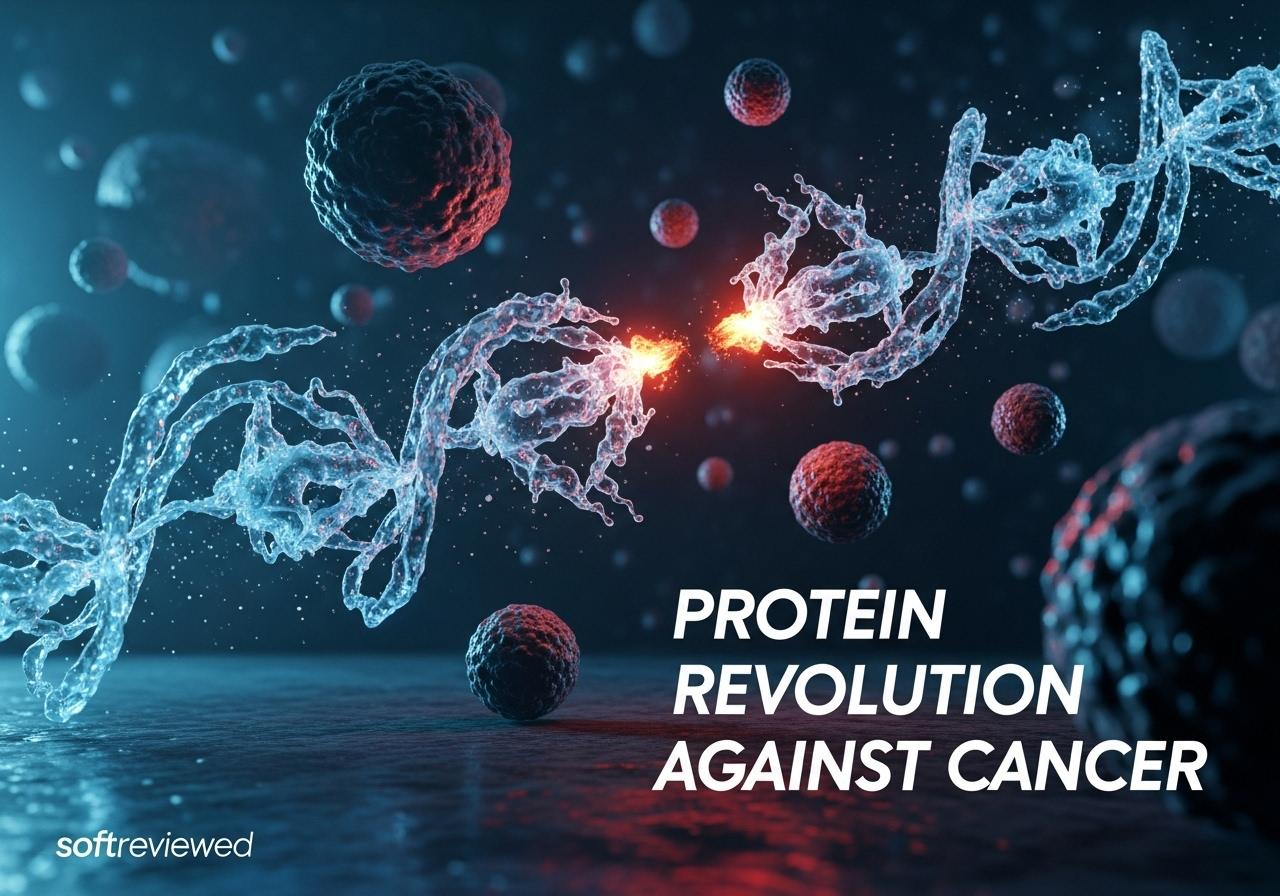
Introduction to AI Protein Design in Cancer Care
Cancer treatment has long been a field where time is of the essence. Traditional methods of developing immunotherapies can take years, while each patient’s unique cancer profile often calls for personalized solutions. With developments in artificial intelligence, scientists now have the tools to create proteins that can guide immune cells directly to the tumor site in a matter of weeks. This not only quickens the pace of treatment discovery but also paves the way for therapies designed specifically for each patient.
What Is AI-Driven Protein Design?
AI-driven protein design is a cutting-edge process that uses sophisticated algorithms to generate and refine protein structures. Instead of relying solely on traditional lab experiments that can take an enormous amount of time and resources, researchers now use AI to simulate and optimize proteins that target cancer cells.
How Does It Work?
The process involves several key steps:
- Target Identification: AI systems analyze cancer cells to recognize specific markers, such as peptide-MHC (pMHC) molecules, that indicate the presence of a tumor.
- Protein Generation: Once a target is identified, the AI algorithm creates multiple protein candidates designed to bind selectively to these markers.
- Virtual Safety Screening: Before any physical tests, the digitally created proteins undergo rigorous screening to ensure they do not attach to healthy cells.
- Lab Testing: The best candidates are then synthesized and tested in the lab to confirm their effectiveness and safety.
This cycle, which traditionally could take years, is now compressed into a timeline as short as 4-6 weeks, dramatically accelerating the path from design to delivery.
Benefits of AI-Driven Protein Design
There are several clear advantages to this innovative approach:
- Speed: AI cuts down the design process from years to just a few weeks, making it possible to quickly address evolving cancer profiles.
- Precision: By targeting specific cancer markers, these proteins reduce the risk of damaging healthy cells, thereby potentially decreasing side effects.
- Personalization: Each patient’s unique tumor can be tackled with a custom-designed protein, leading to therapies that are more closely tailored to individual needs.
- Cost-Efficiency: Streamlining the development process reduces the cost of research and accelerates the path to clinical adoption.
Comparing Traditional and AI-Based Approaches
Traditional cancer immunotherapy methods, like CAR-T and TCR therapies, require lengthy periods for target discovery and protein design. These conventional methods are often based on trial-and-error and extensive laboratory work. In contrast, the AI-driven model automates much of the process and leverages vast computational power to simulate molecular interactions, resulting in highly efficient protein design.
Timeline Comparison
Consider the timeline: where traditional methods might take over a year to develop a treatment, the AI approach can produce effective protein candidates in just 4-6 weeks. This dramatic reduction in time means that patients can potentially receive life-saving therapies much sooner.
Case Study: Transforming T Cells into Cancer Fighters
One of the most exciting outcomes of AI protein design is the transformation of T cells into what many experts describe as "precision missiles". By feeding these cells with AI-designed proteins, scientists are effectively reprogramming the immune system to recognize and attack cancer more directly. In lab tests, these modified T cells have demonstrated a strong ability to target and eliminate cancer cells, including those in aggressive forms of melanoma.
"We are essentially giving immune cells a new set of navigational tools ― it’s like installing GPS in the body," explains a leading researcher. This simple analogy highlights the revolutionary potential of this technology.
Challenges and Considerations
Despite the exciting advances, there are several challenges that must be addressed:
- Clinical Translation: While lab results are promising, extensive human trials are necessary to determine long-term effectiveness and safety.
- Ethical Concerns: The power of AI in medical research raises important ethical questions about data use, privacy, and the potential for misuse.
- Access: Advanced technologies like AI-based protein design may initially be available only at select centers, which can create disparities in patient access.
Future Directions
Looking ahead, the fusion of AI and immunotherapy is set to redefine cancer treatment. Here are a few areas where future advancements are likely:
- Ultra-Personalized Medicine: Treatments may soon be tailor-made for each patient, considering their unique genetic makeup and tumor biology.
- Broader Disease Applications: The same technology that revolutionizes cancer care could also be adapted for other diseases, including autoimmune disorders and viral infections.
- Integration with Other Technologies: Combining AI with robotics and advanced bioengineering could further streamline the development and application of new therapies.
Step-by-Step: From Digital Design to Patient Care
The journey from computer-generated protein designs to real-world cancer treatments involves several key phases:
- Selecting the Target: Identify specific cancer markers to focus the protein design efforts.
- Running AI Algorithms: Utilize powerful AI models to generate thousands of potential binding proteins.
- Safety Screening: Filter out proteins that might interact with healthy cells using virtual screening techniques.
- Lab Testing: Produce and test the promising candidates in controlled lab environments.
- Clinical Trials: Advance the best-performing proteins into human trials to verify their safety and efficacy.
Integrating AI Protein Design in Modern Oncology
Integrating this technology requires a multidisciplinary approach. Scientists, clinicians, and AI experts must work together to ensure that every aspect of therapy development is optimized. The successful integration of AI in protein design has the potential to revolutionize oncology by making treatments more efficient and less invasive.
The rise of AI-driven protein design not only underscores the importance of computational biology but also marks a new era in personalized medicine. As research continues and more data becomes available, we can expect these innovations to transition from the research lab to everyday clinical practice.
For those interested in the technical and scientific details of this breakthrough, our original article provides an even deeper dive into the process. Learn more about the groundbreaking research here.
Ready for the Full Blueprint? 🚀
For even more advanced techniques and a complete breakdown of how AI is transforming cancer immunotherapy, check out our original, in-depth guide: Read the Full Article Here!


Comments
Post a Comment