AI Chat Privacy Protection: Tips & Legal Insights
AI Chat Privacy Protection: Tips & Legal Insights
In today's digital era, AI chatbots have become an essential tool for work, learning, and even emotional support. However, while these platforms offer convenience and immediate information, they also introduce potential risks to your personal privacy. With growing concerns that your chat data could be subject to legal scrutiny, it is critical to understand how to protect your AI conversations. This guide aims to provide practical tips, legal insights, and actionable strategies to help you safeguard your digital privacy while using AI chat services.
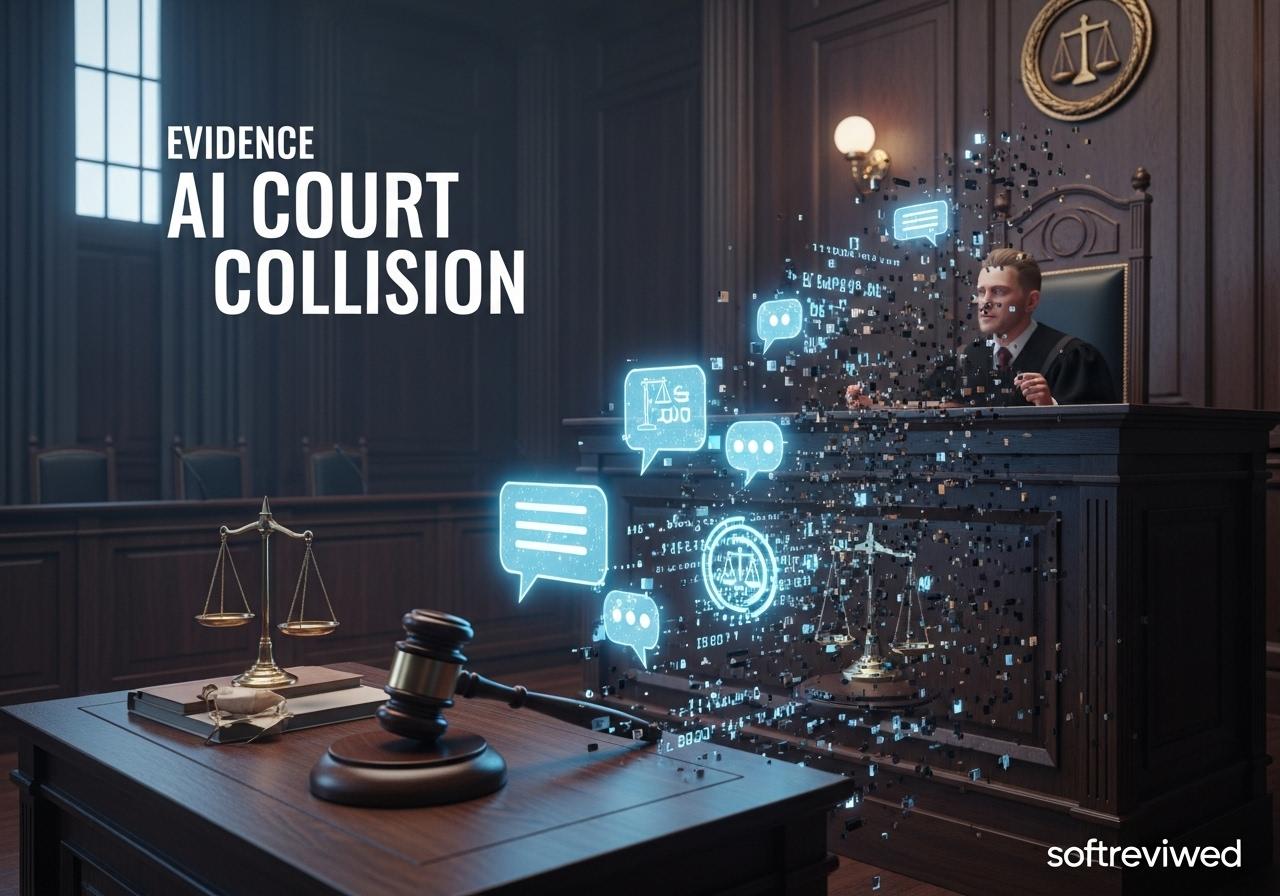
Understanding AI Chat Privacy
There has been much debate about whether conversations with AI chatbots enjoy the same confidentiality as conversations with professionals like doctors, lawyers, or therapists. The short answer is no. While these AI tools provide a friendly and accessible environment, the data you share is not typically protected by legal privilege. This means your personal messages can potentially be accessed or even used as evidence, should legal situations arise.
Historically, privacy in conversations has been safeguarded by strict confidentiality standards. But in the case of AI, especially with platforms like ChatGPT, policies are still evolving. Understanding these differences is the first step in protecting yourself. It is important to recognize that while AI can simulate a safe conversation space, its digital nature may expose you to privacy vulnerabilities that are not immediately apparent.
Legal Risks of AI Conversations
One alarming aspect of using AI chat platforms is that your conversations might one day be scrutinized in a legal setting. Several legal cases have already highlighted how AI data was used as evidence in courts:
- Data Retention and Discovery: Legal authorities could potentially request chat logs during investigations or lawsuits.
- Fabricated Evidence: There have been instances where AI-generated information was later found to be inaccurate, leading to serious legal implications for those who relied on them without proper verification.
- Privacy and Data Security: Unlike conversations with licensed professionals, AI chat logs are stored on servers across various regions with differing privacy protections.
Due to these risks, it is paramount that every user be diligent about what they share with an AI and take proactive measures to keep their personal information secure. Legal standards such as those outlined in recent cases emphasize that reliance on AI-generated content without human oversight may lead to sanctions or legal challenges.
Best Practices for Safeguarding Your AI Chat Data
Protecting your privacy when chatting with AI is largely a matter of being aware of the inherent risks and adapting your behavior accordingly. Here are some practical steps you can take:
- Limit Sensitive Information: Avoid disclosing personal, financial, or otherwise sensitive information during your chat sessions.
- Use Pseudonyms: Where possible, use aliases or non-identifying details to mask your true identity.
- Review Privacy Policies: Regularly check the privacy policies of the AI service you are using. Policies may change and can impact how your data is handled.
- Prefer Secure Platforms: For conversations requiring high confidentiality, opt for enterprise-grade or legally vetted secure platforms that offer contractual privacy guarantees.
- Manual Data Checks: If your conversation contains potentially sensitive information, consider copying and saving the data privately, then deleting it from the chat session.
By following these guidelines, you can greatly reduce the risk of your AI chat histories being used in ways that might compromise your privacy or even land you in legal trouble.
What the Law Says about AI Chat Privacy
From a legal perspective, the current environment for AI chat privacy is in its early stages. Prominent voices in the legal community, including leading legal analysts and regulators, have warned about the lack of formal privacy privileges for AI chats. Unlike doctor-patient or attorney-client communications, there is no established legal framework granting protection for those who interact with AI tools.
This situation is further complicated by ongoing legislative and judicial discussions. For example, new data retention policies and court orders, such as those seen in high-profile cases, have brought attention to how AI data is preserved, even when users intend for it to be deleted. These trends underscore a growing need for clear, comprehensive privacy laws that address the digital realities of modern communication.
Actionable Tips to Secure Your Data
In light of the legal and practical challenges associated with AI chat privacy, consider implementing the following actionable strategies:
- Educate Yourself: Stay informed about evolving privacy policies and legal standards affecting AI platforms. Knowledge is your first line of defense.
- Rethink What You Share: Always assume that anything you type may eventually be stored and potentially shared. This cautious approach will help you avoid oversharing.
- Use Secure Networks: When engaging in sensitive conversations, make sure you are on a secure and private network to reduce exposure to potential breaches.
- Leverage Privacy Tools: Use browser extensions or privacy-focused applications that can help manage and guard your online presence. Some of these tools offer encryption services that add an extra layer of security to your digital communications.
- Seek Expert Advice: If you frequently discuss sensitive topics with AI, consider consulting with a privacy professional or legal advisor who is up to date on the latest data protection laws.
It is important to remain proactive about digital privacy, as the landscape is constantly shifting. Implementing these measures can help you protect your personal data and avoid future legal headaches.
Future Trends in AI Privacy
As AI technologies continue to evolve, so too will the legal and privacy frameworks that govern them. Here are several trends you should keep an eye on:
- Legislative Developments: Expect new laws and regulations that specifically address AI data privacy. Legislative bodies around the world are beginning to recognize the need for digital privacy rights, which could provide greater protections for AI chat users.
- Enhanced Privacy Features: Some AI service providers are already working on building features to enhance user privacy, including improved data deletion protocols and user-managed data retention options.
- Increased Transparency: Future updates may include clearer explanations from AI companies on how your data is used and stored. This trend toward transparency will help users make more informed decisions when using these platforms.
- Collaborative Oversight: The development of independent oversight bodies that review and enforce compliance with evolving privacy regulations may become the norm, further securing user data.
These emerging trends are promising for the future of AI chat privacy. However, until robust laws and technologies become standard, the onus remains on users to protect their own data actively.
Conclusion
In summary, while AI chatbots offer incredible benefits in terms of accessibility, efficiency, and support, they also come with significant privacy risks that cannot be ignored. As discussed throughout this article, understanding these risks, staying informed about legal developments, and adopting prudent digital habits are key to protecting your privacy. It is essential to approach every interaction with an AI platform with caution and mindfulness.
We also recommend checking out further discussions on this topic, including detailed analyses and real-life case studies. For a broader look into the legal hazards of AI-generated citations and privacy issues, consider exploring our original detailed article available here.
Ready for the Full Blueprint? 🚀
For even more advanced techniques and a complete breakdown of AI chat privacy and legal challenges, check out our original, in-depth guide: Read the Full Article Here!


Comments
Post a Comment