AI Restores Inscriptions: Unlocking Lost Roman History
AI Restores Inscriptions: Unlocking Lost Roman History
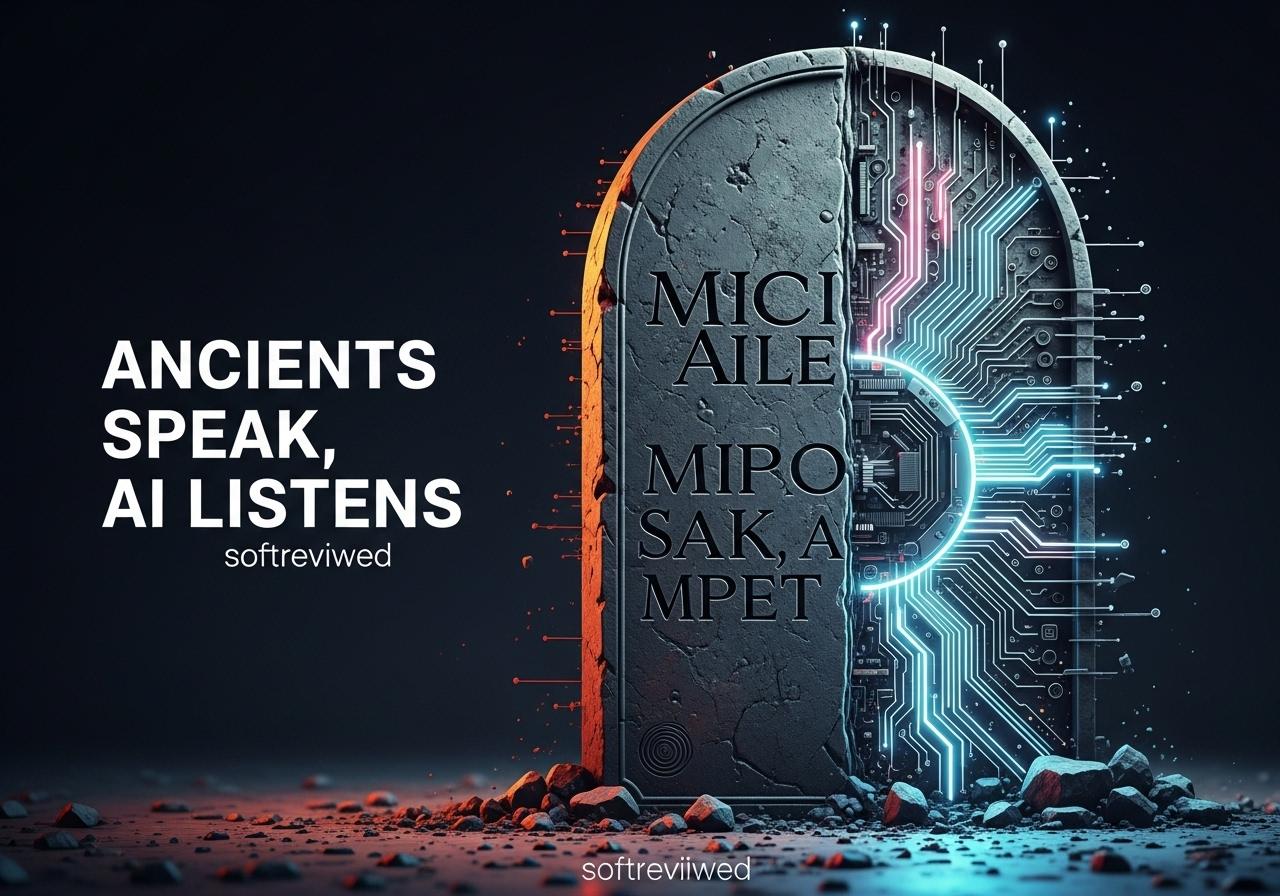
For centuries, historians have battled with fragmented inscriptions and eroded texts left behind by ancient civilizations. Today, artificial intelligence is stepping into the role of a digital restorer, reviving lost narratives and filling in critical gaps in our historical record. This article explores how AI tools are revolutionizing the restoration of ancient inscriptions, with a focus on their use in uncovering the rich tapestry of Roman history.
Understanding the Challenge of Fragmented Inscriptions
Ancient inscriptions, etched on stone and metal, have long served as primary sources of information about the past. However, time has not been kind to these relics. Weathering, human interference, and natural decay have left many inscriptions incomplete, turning them into puzzles with missing pieces. Historians traditionally spent months laboring over these fragments, trying to piece together history from clues that were often incomplete or ambiguous.
Today, AI offers a new approach. By leveraging machine learning algorithms and large datasets of known inscriptions, new AI tools can analyze patterns, recognize stylistic elements, and predict missing text with remarkable accuracy. This technology is not meant to replace expert historians but to work in synergy with them, providing speedy insights and uncovering connections that might have been overlooked.
How AI Techniques Restore Lost Inscriptions
The process begins with advanced image and text recognition. AI systems scan digital records of inscriptions, identifying both legible portions and damaged areas. A combination of transformer-based neural networks and contextual analysis is then used to predict missing words and estimate dates. These techniques include:
- Textual Pattern Recognition: AI studies the known parts of texts and compares them with an extensive database of similar inscriptions.
- Generative Prediction: In cases where text is missing, the system suggests probable word sequences that maintain the historical context.
- Multimodal Analysis: By integrating both visual imagery and written content, the models simultaneously assess physical styling and linguistic cues.
- Temporal Estimation: Algorithms estimate the creation date of an inscription based on stylistic features and known historical timelines.
- Geographical Correlation: Location data is factored in by comparing inscriptions from similar regions, offering further clues to origin.
These combined techniques allow the AI to effectively "fill in the blanks" where human interpretation might stumble, especially when dealing with severely damaged objects.
Case Studies: AI in Action
Several exciting case studies showcase how AI tools are being successfully deployed to restore ancient inscriptions:
Reviving the Voices of Rome
A key project involved a fragmented stone inscription detailing important civic events of ancient Rome. The AI model examined the inscription and matched the legible fragments with a vast dataset. Within minutes, the system proposed reconstructions for missing sections, and historians later confirmed the accuracy of these predictions. This project not only restored the text but also provided new insights into the civic life of ancient Romans.
Linking Altars Across Time
In another study, a ruined altar discovered in modern Germany was linked to earlier Roman altars through subtle linguistic patterns and stylistic similarities. The AI tool recognized these links by processing thousands of inscriptions, demonstrating its ability to draw connections that would have taken manual researchers months – or even years – to establish.
Restoration of Military Diplomas
An especially compelling example involved a bronze military diploma with several missing words. By cross-referencing with similar inscriptions from across the Empire, the AI accurately filled in the gaps and even narrowed down the date of commission to within a 13-year window. Such precision supports the use of technology in recreating historical narratives more reliably than ever before.
Expert Opinions and the Future of AI in Epigraphy
Historical experts widely acknowledge that while AI cannot replace the nuanced judgment of seasoned epigraphers, it can greatly enhance their work. Many argue that the best use of technology is as a collaborative tool: a digital partner that empowers historians by providing rapid, data-driven insights that inform their interpretations.
"AI tools are not about replacing human expertise but augmenting it. They provide a fresh perspective and speed that revolutionizes how we approach ancient texts," explains a leading historian in the field.
Looking ahead, advancements in AI are expected to expand beyond the realm of Latin inscriptions. Early pilots show promising results with Greek, Egyptian, and even lesser-known ancient scripts. Further development of multimodal data analysis will also introduce the possibility of incorporating chemical composition and material studies, offering an even more holistic view of historical artifacts.
Practical Steps for Institutions and Researchers
For museums and academic institutions, integrating AI-based tools can be a game changer. Here are a few practical steps to begin incorporating this technology into your research:
- Digitize Collections: Ensure that inscriptions are cataloged digitally with high-resolution imagery to feed into AI models.
- Collaborate with Technologists: Partner with tech companies or academic labs specializing in machine learning to adapt and fine-tune AI systems.
- Train Historians: Offer training programs for historians to effectively interpret and integrate AI-driven insights into their research streams.
- Maintain Databases: Build and update comprehensive datasets of inscriptions. More data leads to improved accuracy for the AI models.
- Engage in Cross-disciplinary Dialogue: Foster a collaborative environment that encourages dialogue between historians, data scientists, and material experts.
This collaborative approach not only accelerates the restoration process but also creates a living archive that enriches our understanding of history.
Embracing the Digital Renaissance in Historical Research
The integration of AI into historical research represents a digital renaissance—a meeting point between innovative technology and the timeless quest to understand our past. Institutions and researchers are now equipped with a tool that can rapidly sift through mountains of data, reveal hidden connections, and breathe life into fragmented records.
For those interested in a deeper dive into this intriguing fusion of AI and history, further details and technical insights can be found in our original article on the topic. Discover how Aeneas AI is making headlines by redefining ancient text analysis through cutting-edge machine learning. For more information, visit our in-depth guide on DeepMind's breakthrough tool.
Ready for the Full Blueprint? 🚀
For even more advanced techniques and a complete breakdown, check out our original, in-depth guide: Read the Full Article Here!
By embracing the transformative power of AI, we not only honor the legacy of ancient voices but also chart a course towards a future where history is accessible to everyone, one inscription at a time.


Comments
Post a Comment